Aiko Tanaka
Why the Global Economy Needs a Moral Reset
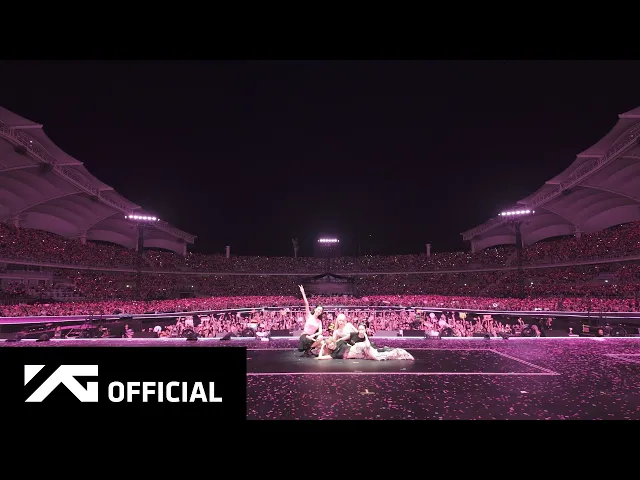
A behind-the-scenes look at how K-pop groups prepare for global tours, from choreography to fashion and media production.
This feature video takes viewers backstage into Seoul’s state-of-the-art entertainment studios.
Cameras follow choreographers, stylists, and producers as they craft performances for international stages.
Experts discuss how the K-pop industry blends music, narrative, branding, and digital engagement to reach massive global audiences.
Fans also share perspectives on why K-pop resonates emotionally across languages and cultures.
The global economy is expanding faster than regulators, societies, or ethical frameworks can contain. For decades, the world has prioritized efficiency over stability, growth over equity, and profit over long-term responsibility. While economic progress has lifted millions out of poverty, it has also created cracks that can no longer be ignored.
Today's economic system is defined by extreme market fluctuations, widening inequality, and the accelerating influence of tech monopolies. Multinational corporations now hold decision-making power once exclusive to governments. And yet, accountability remains minimal.
A moral reset begins with redefining what “success” means in global markets. Rather than measuring progress solely through GDP or stock indexes, nations must evaluate well-being, sustainability, and future resilience. Economics must evolve into a system that protects opportunity—not only amplifies wealth.